Stop Waiting for the Fed
Push Rewind on Assumable Loans
By Andy Taylor
Financing options
There are five realistic ways to get a payment you can live with at today's interest rates, and they're not all made equal. Two of them lower your rate temporarily, one lowers it permanently if you pay for it, one doesn't touch the rate at all, and one gets you a below-market rate for the life of the loan (hint, that one is assumable). Here's what each actually does.
Side by side
| Option | What it does to the rate | How long it lasts | What it costs you |
|---|---|---|---|
| Temporary buydown | Lowers the payment as though the rate were 2 points lower, then 1 point lower over time | Two years, then the full note rate for the remainder | Funded up front, often by the seller or builder |
| Discount points | Lowers the note rate itself, by an amount that varies | The life of the loan | 1% of the loan per point, paid at closing |
| Adjustable rate | Starts lower than a 30-year fixed, usually for a 3, 5, 7 or 10 year period, then adjusting periodically | Until the first adjustment, then it follows the market rate | Nothing up front, but you carry the risk of where rates go |
| Larger down payment | Nothing | Not applicable | More cash, for a smaller loan at the same rate |
| Assuming a loan | You get the seller's rate, which may be a third of today's | The whole remaining term. It's their loan, unchanged | The equity gap, plus capped fees |
A temporary buydown is usually underwritten at the full note rate, so it lowers what you pay for two years rather than what you have to qualify for.
A temporary buydown is prepaid interest. The seller or the builder usually puts money in escrow at closing, and that money covers the difference between your real payment and a lower one for the first year or two. It's a genuinely useful tool, especially on new construction where the builder is funding it instead of cutting the price. However, with a temporary buydown, your real rate never changed permanently, and by year three, you're paying against the real rate fully.
Discount points are the permanent version. You pay a percentage of the loan up front, and the rate comes down for good. How much it comes down varies by lender and by day. Either way, the method rewards staying put. The longer you hold the loan, the better the trade.
Neither of these solutions gets you below what the market is charging however. They buy down from today's rate as the starting point.
An ARM is fixed for a stretch, often three, five, seven, or ten years, and then it adjusts on a schedule for as long as you hold it. The opening rate is lower than a 30-year fixed, which is the whole appeal.
It's a reasonable bet if you know you're leaving before the fixed period ends, and a real risk if you don't. The thing to understand is that you're not avoiding rate risk, you're accepting it later in exchange for a discount now. An assumed loan makes the opposite trade, fixing the rate at a number that was set years ago.
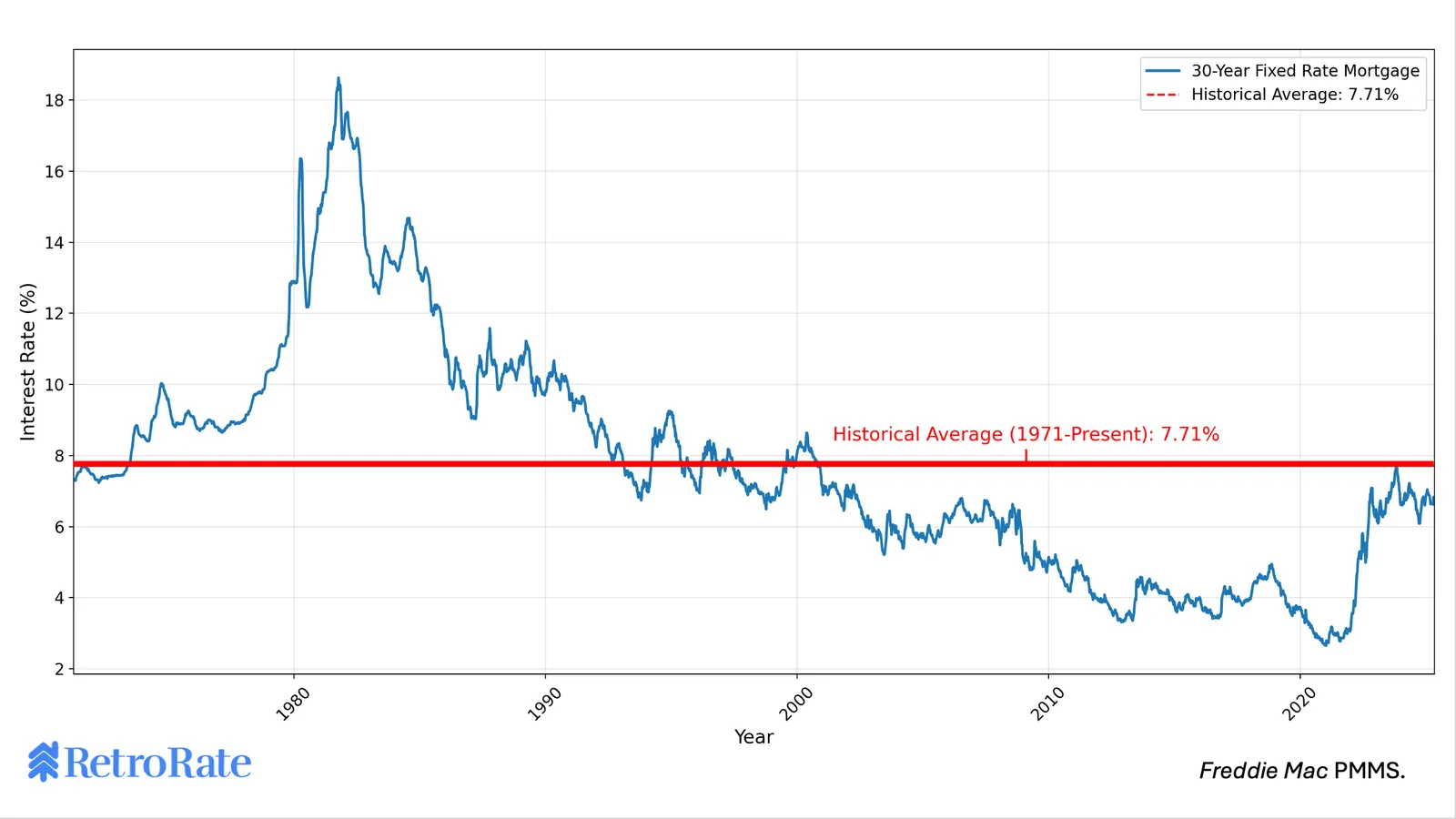
If you're waiting for rates to drop, it's not a strategy that you have any control over. That's because the Fed doesn't directly control mortgage rates, they control the interbank lending rate. The last few times this rate was reduced, mortgage rates went up, because a mortgage rate follows the bond market rather than the Fed's announcement.
There's also a cost to waiting that doesn't show up in a rate quote. Prices don't pause, the low-rate loans sitting on homes today get paid off and replaced as those homes sell, and the inventory of assumable loans is a melting asset. The 3% loan on a house near you exists right now and won't in a few years.
While an assumption is the only option on the list that gets you a rate the market isn't offering, it's also the one with the highest bar to clear.
How many assumable loans are in your city or ZIP, the average rate on them, and the average monthly difference against a new loan at the same cash to close.
A free Chrome extension that marks the homes with an assumable loan while you browse the portals, and does the payment comparison for you.
The gap between the loan balance and the sale price is what decides whether an assumption is realistic for you. It's worth understanding before you fall for a rate.
Push Rewind on Assumable Loans
By Andy Taylor

Closing Time: You Don’t Have to Go Home But Low Rates Can’t Stay Here
By Greg Fischer

We’re unlocking home loans and lighting a fire under new deals for real estate professionals and their clients, to get more people into homes.
By Greg Fischer

See which listings come with one while you're browsing, free.
Descriptions of buydowns, discount points, and adjustable-rate mortgages are general and not offers. Terms, costs, and the rate reduction per point vary by lender, by loan, and by day, and RetroRate doesn't originate any of them. Compare any of these on a lender's own Loan Estimate.
About one in ten homes for sale with a mortgage carries an assumable FHA or VA loan, which is RetroRate's own count of listings. Savings comparisons hold cash to close equal, and estimated payments cover principal and interest only.
RetroRate does not originate loans, determine or extend credit, or engage in lending or mortgage brokering. The original lender or servicer who holds the mortgage handles qualification and approval of new buyers and makes the final decision to extend credit.