In 2023, only 2,244 VA loans were assumed. Out of about 350,000 VA-financed homes that turned over as resales, that’s less than 1% of the total volume of VA loans paid in full considering about 30% were likely cash.
Why aren’t more veterans tapping in?
VA loans provide veterans with benefits stemming from their service. No downpayment, lower interest rates, flexible credit requirements, and even waived home loan funding fees for disabled veterans.
VA loans stand out because they’re assumable. It’s a unique perk that lets new buyers take over the existing low-rate terms. Yet loan assumptions lag.
The Veteran Seller’s Dilemma
While a non-veteran can assume a veteran’s VA loan, it locks up the seller’s VA benefits attached to their Certificate of Eligibility (COE) in the home. The benefits remain tied to the original loan, and unless the seller can find another veteran to buy the home and “substitute” their own eligibility instead, the seller can’t use a VA loan until the home sells or is refinanced.
The VA loan is built for veterans to affordably own and occupy their homes. But when veterans become sellers, they face a tough call: advertise their assumable loan (say at a 3% rate) hoping a VA-eligible buyer snaps up the savings, or lose their VA home loan eligibility if a non-veteran buyer assumes the loan. The value of the perk fades since the average buyer owns a home for 10 years before selling again. The veteran’s next VA loan is toast.
Today’s high rate and low volume market only tightens that bind. With a slim pool of eligible veteran buyers to assume VA loans, most buyers will need a large down payment of 20 percent or more to bridge the mortgage balance and the current sale price, a hurdle for VA buyers who prize the zero downpayment and don’t have $100,000 or more stashed away in cash.
Casting a Wider Net
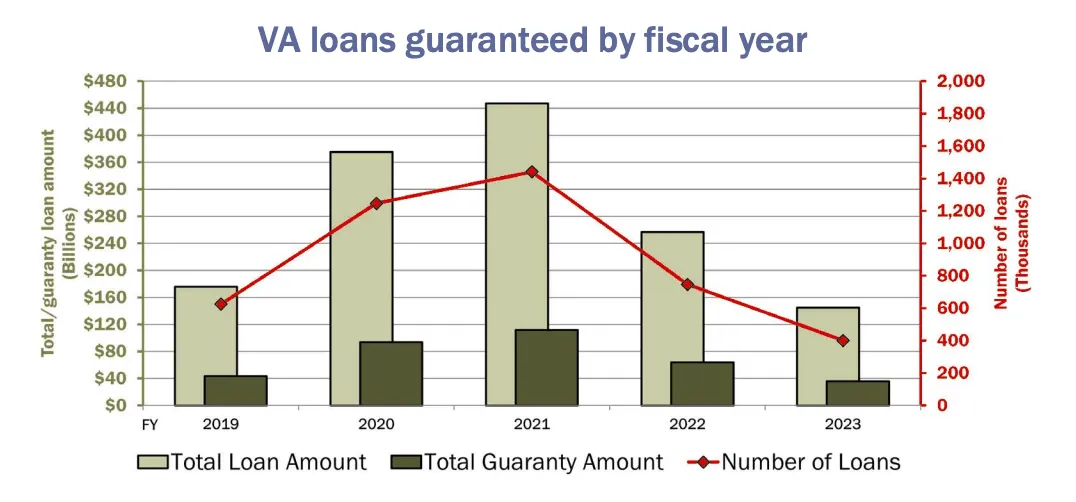
A veteran-only buyer pool limits a seller’s reach to about 10% of eligible buyers in any given year. Over 4 million existing homes sold in 2023 per the National Association of Realtors. And about 400,000 VA loans were issued.
Loosening VA entitlement guidelines for when 90% of non-VA eligible buyers wanted to assume the loan would spark more activity, boost listing exposure, and connect VA sellers with qualified buyers ready to handle the higher down payments. All while keeping their next VA loan in play.
What if VA sellers command a higher price for their homes, flipping VA assumability into a selling perk, instead of a handcuff? Right now, non-VA buyers can assume the loan, but unless a veteran buyer steps up to swap in their own Certificate of Eligibility (COE) for a Substitution of Entitlement (SOE), the seller’s eligibility remain locked in, blocking their next VA loan.
Easing reuse rules would allow sellers to accept any qualified buyer’s offer while retaining VA benefits for later, fueling future buys, boosting VA funding fees, and promoting homeownership. In 2023, 99% of VA-financed homes sold were not assumed, largely due to the risk that non-veteran interest in taking over the loans would prevent sellers from using VA again.
Sellers pause, picturing the pitfalls. “Why am I stuck losing eligibility for my next home when the servicer has to qualify the new buyer who assumes the loan anyway? Do they really need me on the hook too? I want to buy my next home at the same time I am selling.” That confusion drags on them.
Unlocking SOE when any buyer assumes a VA loan, not just veterans, could turn half of VA assumable sellers into VA seller-buyers reusing the benefit.
Assumptions could hit 25,000 a year if SOE opened for any buyers instead of veterans. That’s more than ten times 2023’s total VA assumption volume.
There’s upside for the VA and a ton of savings for buyers. Why hold it back?
Savings for Buyers
For just one buyer assuming a VA loan at 3% versus a new loan at 7% on a $400,000 mortgage, it saves ~$1,000 monthly, ~$12,000 yearly, and ~$350,000 in interest payments over 30 years compared to today’s rates for new loans.
The buyers of the 2,224 assumable VA loans in 2023 are collectively saving ~$2.2 million monthly, ~$27 million yearly, and ~$785 million over 30 years of mortgage interest payments. All powered by veterans who served.
So what if we could 10x that amount and process 25,000 VA assumptions in one year? That could add up to ~$25 million monthly, ~$300 million yearly, and ~$8.75 billion over 30 years — all in savings for buyers, versus applying for new home loans at current rates.
And if VA assumptions could hit a stretch goal, where 50% or 125,000 of the 250,000 VA sales financed in a year were instead assumed, those buyers would collectively save ~$125 million monthly, ~$1.5 billion yearly, and ~$43.75 billion in interest over 30 years against today’s rates.
But it’s not just a big win for veteran sellers and the buyers who get to assume those low VA-loan rates. The VA itself has a lot to gain too.
New Fees Fueling the VA
The VA already charges a 0.5% fee on each VA loan assumption. On one $400,000 loan they collect ~$2,000 in fees. In 2023, those fees added up to nearly $5 million for the 2,244 VA loan assumptions that were processed.
So what if we could 10x loan assumptions to 25,000 in one year? The VA would collect ~$50 million in 0.5% assumption fees, veteran or not.
And if the market could hit the stretch goal of 125,000 assumptions in one year, the VA would collect ~$250 million for streamlining VA assumptions.
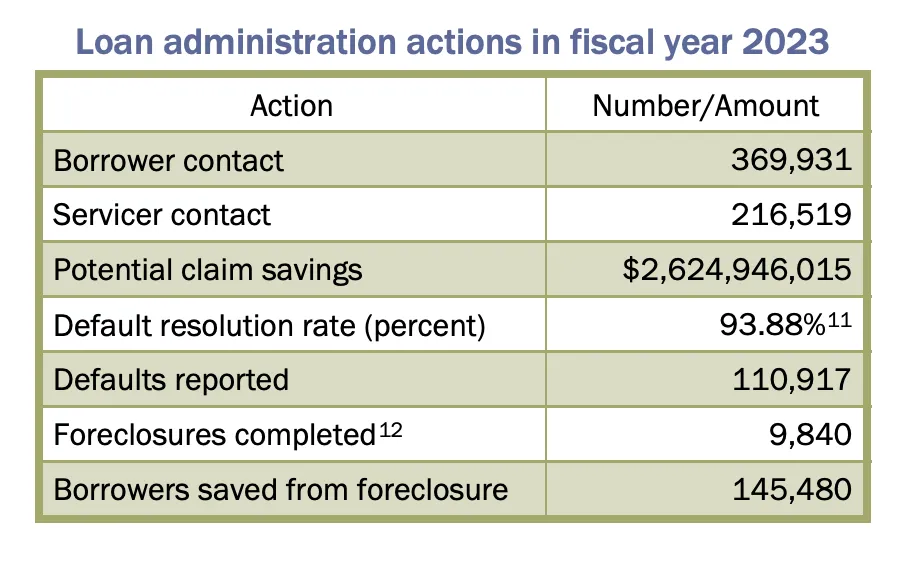
Not to mention assumable loans can help veterans fight off foreclosures.
That’s not all. The opportunities unlocked by easing rules for SOE to all veteran sellers, even when a non-veteran assumes their loan, is staggering.
Easing SOE creates more VA seller-buyers, say about 50%, eager to repeat their VA loan success in conjunction with their sale. But in 2023, most veteran sellers didn’t get an SOE since non-veterans assumed the loans.
The VA charges ~2.15% in VA funding fees for new loans. On one $400,000 loan, the VA collects ~$8,500 in fees. In 2023, if half of the 2,224 veteran sellers had their veterans benefits restored and purchased with a VA loan again, this would add up to ~$10 million in new VA funding fees.
So what if we could 10x loan assumptions to 25,000 in one year and half of those veteran sellers became seller-buyers applying for new VA loans after their assumption sold? The VA could collect ~$100 million in funding fees.
And if the market could hit the stretch goal of 125,000 assumptions in one year, the VA might collect ~$500 million in funding fees when SOE is granted for non-veteran assumptions and half of the VA sellers buy again.
Why This Matters
The opportunity’s clear. Millions yearly in savings for veterans and any buyer lucky enough to assume their VA loan. Millions in new fees to support the VA home loan guarantee. A chance to bolster the program’s backbone while easing the strain on veterans. Yet hesitation holds.
It’s not without irony, like trying to fund a feast during a fast, promising abundance at a time when the government is tightening its belt with DOGE. But if the VA seizes this opportunity for veterans it could make big waves.
Veterans deserve to use their hard-earned benefits without handcuffs, and with interest rates as high as they are, policy must catch up to this market moment — a win for veterans, consumers, loan servicers, and the VA alike.
This push creates inventory in a tight market, keeps veterans compounding their VA home loan benefits, and hands buyers big savings when they tap into veteran sellers’ low VA mortgage rates. Could streamlined guidelines extend this service-minded push? Let’s assume it will and push it forward.
At RetroRate, we’re unlocking home loans and lighting a fire under new deals for real estate pros and their clients. We’re on a mission to help save everyone cash, flip rates on their head, and get more people into homes.
Notes
- Out of 4 million home sales in 2023; just over 400,000 used VA loans, or 10%.
- Used $400,000 loan amount and 50% of sellers with restored SOE buy again.
- For savings estimates on full 30-year terms for 3% vs. 7% loans; actual 2023 assumptions may reflect shorter remaining terms, reducing total savings.
- The PACT Act may boost VA loan use by disabled veterans as it expands.
References
- Statement Of John E. Bell Iii, Executive Director Loan Guaranty Service, Veterans Benefits Administration Department Of Veterans Affairs (VA) Before The Subcommittee On Economic Opportunity House Committee On Veterans’ Affairs
- VA Home Loan Guaranty Buyer’s Guide
- Rights of VA Loan Borrowers
- NAR Profile of Home Buyers and Sellers
- VA Annual Benefits Report

By Greg Fischer
Head of Growth
20yrs of startup grit, enterprise tech, and real estate brokerage. Navy Veteran.
Greg Fischer on LinkedIn